What is Homeschooling?
Homeschooling means different things to different people. It is a movement rich in diversity and schools of thought. Explore what homeschooling is from different perspectives.
What is Homeschooling?
The History of Homeschooling
This infographic from OnlineCollege.org features a graphical representation of the history of homeschooling, methodologies, statistics, and other interesting facts.
History of Homeschooling
Home in education has been around as long as Adam and Eve. Adam and Eve had no teachers or school to send their children to, so they simply had to do it themselves. It has been the case during much of history that they were simply no schools to send children to, leaving parents with no alternative but to homeschool.
Homeschooling: Back to the Future?
Explore some of the history of the homeschooling movement, why some parents choose to homeschool, the basics of homeschooling, and more. The article includes some homeschooling statistics and demographic information. Also included is a discussion of the influences of Dr. Raymond Moore and John Holt on the emerging homeschool movement.
What Is Homeschooling?
Patricia M. Lines discusses the basics of homeschooling and the special concerns surrounding it, including legal issues, the success of homeschoolers, colleges, and more.
The Politics of Survival: Home Schoolers and the Law
Twenty years ago, home education was treated as a crime in almost every state. Today, it is legal all across America, despite strong and continued opposition from many within the educational establishment. How did this happen? This paper traces the legal and sociological history of the modern home school movement, and then suggests factors that led to this movement's remarkable success.
What is Homeschooling?
Steve Moitozo explains how homeschooling is parents deciding and directing the education of their children—deciding and directing the education, not doing all the educating.
Marking the Milestones: Historical Times
This timeline highlights the important milestones in the fight for homeschool freedom in the United States.
On the Edge of the 21st Century
The right to home school is based on two fundamental principles of liberty: religious freedom and parental rights. Whenever one of these two freedoms is threatened, our right to home school is in jeopardy. Here are the battles we think home educators will be facing as we enter the next century:
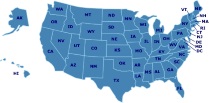
Looking for Another State?
Featured Resources
As an Amazon Associate, we earn from qualifying purchases. We get commissions for purchases made through links on this site.

Safe Young Drivers: A Guide for Parents and Teens
Sixteen is by far the most dangerous age on the road. A 16-year-old is twelve times more likely than older drivers to die in a crash as a single occupant. Put two young teens in a vehicle, and the odds of death and injury nearly double. Despite these sobering facts, the procedure for obtaining a driver’s license in most states remains minimal. Commercial driving schools, even the most competent and conscientious among them, cannot possibly provide complete instruction. This book helps to address...

Pass Your New York DMV Test Guaranteed! 50 Real Test Questions! New York DMV Practice Test Questions
This book is written by a former DMV classroom instructor. He shares the 50 most common questions and answers to the New York DMV written test. A great guide to help your teen pass the DMV test on their first try.

100+ New Jersey Drivers Licensing Exam Facts That You Need To Know: Quick Review for the Written Test
Prepare for the New Jersey's Driver's Written Exam. Know the 100+ important facts for the test. Be prepared to ace the exam!

And What About College?: How Homeschooling Can Lead to Admissions to the Best Colleges & Universities
Get all your questions about helping your homeschooled student apply and get accepted to college answered with this resource. It discusses transcripts, diplomas, education choices, online colleges, and more. If you are worried about whether your homeschooled student can have a successful college search, then this book will help allay those fears and offers good support and information.
Phonics Pathways
Phonics Pathways begins with short-vowel sounds, slowly progressing to whole words, phrases, and sentences of gradually increasing complexity. Special teaching tips, extensive examples, and 100% decodable practice readings reinforce each lesson. Contains all spelling rules with a spelling index, spelling charts, spelling short-cuts, diacritical markings, and a wealth of inspirational proverbs. The new 9th edition of Phonics Pathways features many new enhancements including a wealth of reproducib...